34 Ultra Short Answers to F. A. Q.
34 S.S.S.'ya Ultra Kısa Cevaplar
What is Anarcho-Capitalism?
Anarko-Kapitalizm nedir?
Anarcho-Capitalism is an ecosystem in which property owners and tenants can, almost entirely by themselves, determine the laws that apply on their own properties; where there is no taxation or state; where all public services —including justice— are provided by private companies.
Anarko-Kapitalizm, mülk sahiplerinin ve kiracıların, kendi mülklerinde geçerli olacak yasaları neredeyse tamamen kendi başlarına belirleyebildiği; vergi veya devletin bulunmadığı; adalet ve savunma dâhil tüm kamusal hizmetlerin özel şirketler tarafından sağlandığı, eşsiz bir ekosistemdir.
What do Ancaps advocate?
Ankaplar neleri savunur?
The state, regardless of who governs it, keeps public prosperity far below the level a free market could provide. Democracy is the dictatorship of the majority. Property rights are sacred, the right to bear arms is essential, and taxation is theft. All interactions between individuals must be voluntary
Devlet, kim yönetirse yönetsin, halkın refahını serbest piyasanın sağlayabileceği düzeyin çok altında tutar. Demokrasi çoğunluğun diktasıdır. Mülkiyet hakları kutsaldır, silahlanma gereklidir ve vergilendirme hırsızlıktır. İnsanlar arasındaki tüm etkileşimler gönüllü olmalıdır.
What are the benefits of Anarcho-Capitalism?
Anarko-Kapitalizmin getirileri nelerdir?
Even if 51% of the people in your country are foolish, it still allows you to live a good life; because the remaining 49% functions like a separate country. An exponential increase in prosperity, along with a dramatic acceleration of scientific and technological breakthroughs over time, is expected
Ülkenizdeki insanların %51’i aptal olsa bile, iyi bir hayat sürmenizi sağlar; çünkü %49 ayrı bir ülke gibidir, diğerlerinin kararlarından asgari düzeyde etkilenir. Bununla birlikte, refahın zamanla üstel derecede artması, bilimsel ve teknolojik atılımların dramatik bir hız kazanması da öngörülen şeylerdir.
How would it change the life of an average person?
Ortalama bir insanın hayatını ne şekilde değiştirecektir?
We reclaim from the state the power to govern ourselves. Our control over our lives is maximized. Life becomes a reflection not of collective decisions, but largely of individual choices. As long as we make smart decisions, our freedom and prosperity will rapidly increase.
Devletten, kendimizi yönetme gücünü devralır. Hayatımız üzerindeki kontrolümüzü maksimize eder. Hayatımız, toplu olarak alınan kararların değil, büyük ölçüde bireysel tercihlerimizin yansıması olur. Akıllı tercihler yaptığımız sürece, özgürlüğümüz ve refahımız hızla artar.
Do Ancaps want the rich to rule?
Ankaplar zenginlerin hükmetmesini mi istiyor?
No. This misunderstanding stems from confusing Anarcho-Capitalism with Corporatocracy or Plutocracy. Ancaps advocate for a system where even an ordinary tenant can determine the laws that apply to the property they occupy through voluntary contracts that secure all their rights.
Hayır. Bu yanlış anlaşılmanın kaynağı, Anarko-Kapitalizmin Şirketokrasi veya Plütokrasiyle karıştırılmasıdır. Ankaplar, sıradan bir kiracının bile sözleşme yoluyla tüm haklarını elde ettiği mülkte geçerli olacak yasaları kendisinin belirleyebildiği bir düzeni savunurlar.
How will the rich be prevented from taking control by using force?
Zenginlerin kontrolü zor kullanarak devralması nasıl engellenecek?
The system in which it is hardest for someone to rule over others by force through wealth/power is precisely this one. That’s because everyone can be fully armed and is free to choose and fund the army and police company that will serve them. Weapons are not monopolized by a privileged elite.
Birinin, servetiyle veya gücüyle başkalarına zorla hükmetmesinin en zor olduğu düzen tam olarak bu düzendir. Çünkü herkes, tepeden tırnağa silahlanabildiği gibi; kendisine hizmet verecek ordu ve polis şirketini de bizzat seçip finanse edebilir. Yani silahlar, ayrıcalıklı bir elitin tekelinde değildir.

Isn’t a private justice system vulnerable to corruption?
Özel adalet sistemi yolsuzluğa açık değil mi?
No. If a company starts pardoning criminals for money, its reputation will quickly collapse; no one will take its rulings seriously, recognize them. Insurance companies and clients will terminate their contracts, the company will lose its enforcement power, and ultimately go bankrupt.
Hayır. Bir şirket suçluları parayla affetmeye başlarsa itibarı hızla sarsılır; kararlarını kimse ciddiye almaz, tanımaz. Sigorta şirketleri ve müşteriler sözleşmelerini fesheder, şirket yaptırım gücünü kaybeder ve sonunda iflas eder.
Is everyone required to recognize the rulings of private courts?
Özel mahkeme kararlarını herkes tanımak zorunda mı?
No. Even when individuals take their disputes to reputable courts, the market enforces the rulings only through voluntary actors. Those who comply with the rulings and those who don't may impose reciprocal sanctions on each other. This voluntary structure leads to better outcomes.
Hayır. Bireyler anlaşmazlıklarını itibarlı, bağımsız mahkemelere taşıdığında bile, piyasa sadece gönüllü aktörleriyle bu mahkemelerin hükümlerine uyar; uymayanlarla uyanlar birbirlerine karşılıklı yaptırımlar uygulayabilirler. Bu gönüllülüğe dayalı yapı, daha iyi sonuçlar doğurur.
What happens if 90% of the people try to force a law onto 10%?
Halkın %90'ı %10'a bir yasayı dayatmak isterse ne olur?
Sometimes they may get what they want. However, this does not mean that the majority or the stronger group rules over others. The 10% can reject the imposed law, choose to endure economic embargoes and the threat of war, and shape their lives according to their own will.
Bazen istediklerini elde ederler. Ancak bu, çoğunluğun ya da güçlünün hükmetmesi anlamına gelmez. Çünkü %10, dayatılan yasayı reddederek ekonomik ambargoya ve savaş tehdidine göğüs germeye karar verebilir ve hayatlarını kendi istedikleri şekilde şekillendirebilir.
Wouldn't there be legal uncertainty?
Hukuki belirsizlik olmaz mı?
No. People decide in advance, through voluntary contracts, which courts will handle any disputes that may arise and which rules will apply. They also commit to abiding by the rulings. Companies likewise guarantee compliance with these commitments. Even in controversial matters where one group is not voluntary—such as abortion—it is usually clear from the beginning whether you would be punished in a given property and what the penalty would be.
Hayır. İnsanlar kendileriyle ilgili olarak doğabilecek uyuşmazlıklar için hangi mahkemeye başvuracaklarını ve hangi kuralların geçerli olacağını önceden yaptıkları gönüllü sözleşmelerle belirler ve kararlara uymayı taahhüt eder. Şirketler de bu taahhütlere uyacaklarını garanti eder. Hatta bir tarafın gönüllü olmadığı kürtaj gibi tartışmalı konularda bile, bir mülkte ceza alıp almayacağınız ve ne kadar ceza alacağınız baştan bellidir.
Wouldn’t there be chaos without a state?
Devlet olmayınca kaos çıkmaz mı?
Anarchy is not chaos; it is the voluntary order that emerges in the absence of coercion. The free market naturally forms a functioning order through individual demand. Protocols between justice companies enable cooperation without leading to the emergence of a central authority.
Anarşi kaos değildir; zorbalığın yokluğunda doğan gönüllü düzendir. Serbest piyasa, bireylerin talepleriyle doğal olarak işleyen bir düzen oluşturur. Adalet şirketleri arası protokoller, merkezi bir otorite oluşmasına yol açmadan işbirliğini sağlar.

What happens if I'm not willing to make any contract?
Hiçbir sözleşme yapmaya gönüllü olmazsam ne olur?
If you refuse to make any agreements, you won’t be able to leave your property. Since all developed areas—including streets—are privately owned, access requires contracts. Without them, no one will trade with you. You'll live in complete isolation, cut off from society by your own choice. However, this does not mean that you have to accept a social contract in order to live. It is enough to make agreements with a minority group of people who think like you. You don't need to make a deal with an entire country.
Böyle bir durumda kendi mülkünden dışarı adım atamazsın. Sokaklar dahil, kullanılan her yer özel mülk olduğu için sözleşmeler yapmalısın. Aksi halde kimse sana bir şey satmayacak ve senden satın almayacaktır. Dolayısıyla toplumdan izole edilmiş halde yalnız bir yaşama mahkum kalırsın. Ancak bu, yaşamak için bir toplum sözleşmesini kabul etmek zorunda olduğun anlamına gelmez. Senin gibi düşünen azınlık bir grupla anlaşmalar yapman yeterlidir. Tüm bir ülkeyle anlaşma yapmana gerek yok.

Why is taxation theft? (Long)
Vergilendirme neden hırsızlıktır? (Uzun)
The first objection that springs to mind is that, because the state provides services in return for taxes, taxation cannot be theft. This is mistaken, for if a private company were to seize your money by force and then deliver a service that failed to satisfy you, you would clearly call it theft—and the same holds for the state.
When taxation disappears, the free market uses that money more efficiently, so the general prosperity rises. Yet even if prosperity did not rise, it would still be impossible to brand the payment of coercive taxes—as opposed to voluntary donations—as a moral duty. Even toward people we pity and believe deserve assistance, the only moral obligation is to give as much as our conscience tells us we can spare from our own budget. You may boycott and thereby isolate from society those who lack conscience and make no donations, but taking their money by force is still theft. We are under no moral obligation to hand over any portion—let alone a large portion—of the income we have earned honorably to people we do not know, have no connection with, and who possess no pitiable trait.
Finally, there is the objection that your pre-tax income does not belong to you—that for any income to be yours, lawmakers must first permit it. According to this view, the state is taxing money that was never really yours, so taxation cannot be theft. Of course, this is sheer nonsense. The amount you receive in exchange for goods and services you sell through mutual, voluntary agreement with your customers is the amount you rightfully earn. That amount is determined in the free market.
İlk akla gelen itiraz, devlet vergi karşılığında hizmet sunduğu için bunun hırsızlık olmadığı yönündedir; ancak bu yanlıştır, zira bir şirket paranıza zorla el koyup sizi tatmin etmeyen bir hizmet sunarsa, bunun hırsızlık olduğu açıktır ve aynı şey devlet için de geçerlidir.
Vergilendirme ortadan kalktığında, serbest piyasa sayesinde bu para daha iyi kullanılacağı için halkın refahı artar. Ancak artmasaydı bile, başkalarının refah içinde yaşaması için gönüllü bağışları değil, zorlamaya dayalı vergileri ödemeyi ahlaki bir zorunluluk olarak etiketlemek mümkün değildir. Acıdığımız ve bağış almayı hak ettiğini düşündüğümüz insanlara bile, sadece bütçemizden ayırmayı vicdanen zorunlu bulduğumuz kadar para vermek ahlaki bir zorunluluk olabilir. Vicdanı olmayan ve hiçbir bağış yapmayan insanları boykot edebilir, böylece toplumdan izole edebilirsiniz; ama onların bile paralarına zorla el koymak hırsızlıktır. Hiçbir zorlama olmaksızın, şerefimizle kazandığımız paranın bir kısmını, hatta büyük bir kısmını, tanımadığımız ve hiçbir alakamız olmayan, acınacak bir özelliği de bulunmayan insanlara vermek zorunda ahlaken değiliz.
Son olarak, vergi öncesi gelirinizin size ait olmadığı; herhangi bir gelirin size ait olabilmesi için kanun yapıcının buna izin vermesi gerektiği itirazı var. Bu düşünceye göre, henüz sizin olmayan bir paradan vergi alıyor devlet; dolayısıyla bu, bir hırsızlık değil. Elbette, bu büyük bir zırvalık. Müşterinizle karşılıklı olarak, gönüllüce anlaşarak sattığınız ürün ve hizmet karşılığında size ödenen miktar, sizin hak ettiğiniz miktardır. Bu miktar, serbest piyasada belirlenir.

If there are no taxes, how will public services be funded?
Vergi yoksa, kamu hizmetleri nasıl finanse edilecek?
The financing of services is done through consent, not coercion. Everyone pays in proportion to what they use or benefit from financially; those who don’t benefit don’t pay. People choose the companies that offer the best quality at the best price according to their own budgets. Even without taxation, society can easily meet its needs
Hizmetlerin finansmanı, zorbalıkla değil; rızayla olur. Herkes, kullandığı veya finanse etmekten çıkar sağladığı kadar öder; faydalanmayan ödemez. İnsanlar, kendi bütçelerine göre en kaliteli hizmeti en uygun fiyata veren şirketleri tercih ederler. Vergi olmadan da toplum, ihtiyaçlarını rahatlıkla karşılayabilir.

Don’t companies make things more expensive than the state?
Şirketler devletten daha pahalıya mal etmez mi?
No, quite the opposite. Services currently provided under state monopoly are delivered to the public in the most expensive and lowest-quality way possible. In contrast, the free market drives companies to compete by offering the highest-quality services at the most affordable prices.
Hayır, tam tersi. Şu anda devlet tekelinde sunulan hizmetler, mümkün olan en pahalı ve en kalitesiz biçimde halka ulaştırılmaktadır. Oysa serbest piyasa, rekabet sayesinde şirketleri en kaliteli hizmeti en uygun fiyata sunmak için yarıştırır. İnsanlar da bu rekabetin meyvelerinden faydalanır.

Doesn't the American healthcare system provide evidence against us?
Amerikan sağlık sistemi aleyhimize kanıtlar sunmuyor mu?
No, the American healthcare system is not a free market; government licenses, patents, and regulations distort the market. This system is a state-supported monopoly of hospitals and insurance companies and cannot exist without government intervention. Truly private hospitals in America are significantly more affordable than their competitors.
Hayır, Amerikan sağlık sistemi bir serbest piyasa değildir; devletin lisans, patent ve düzenlemeleri piyasayı bozar. Bu sistem, bir devlet destekli hastane ve sigorta şirketleri tekelidir ve devlet olmadan var olamaz. Amerika’daki gerçekten özel hastaneler, rakiplerinden katbekat uygun fiyatlıdır.

How is monopolization prevented?
Tekelleşme nasıl önlenir?
In a free market, there is no such thing as an exploitative monopoly. If a monopoly emerges, competitors seeking to share in its profits will enter the market in a short time. Monopolization is only possible with state protection and privileges. Without the state, a monopoly cannot be exploitative. Non-exploitative monopolies, on the other hand, are harmless.
Serbest piyasada sömürücü tekel diye bir şey yoktur. Bir tekel ortaya çıktığında, kısa bir süre içinde o tekelin kârına ortak olmak isteyen rakipler piyasaya giriş yapacaktır. Tekelleşme, devlet koruması ve ayrıcalıklarıyla mümkün olur. Devlet olmadığında, bir tekel sömürücü olamaz. Sömürücü olmayan tekeller ise zararsızdır.
Wouldn't the poor be negatively affected?
Yoksullar kötü etkilenmez mi?
No, on the contrary, the free market provides the greatest benefit to the poor. Competition lowers prices and increases quality; it allows the poor, just like everyone else, to easily access better and cheaper services. Mandatory taxes and state monopolies, on the other hand, harm the poor the most. It’s no surprise that poor people can also be Anarcho-Capitalists.
Hayır, aksine serbest piyasa yoksullara en fazla faydayı sağlar. Rekabet, fiyatları düşürür ve kaliteyi artırır; yoksulların da diğer herkes gibi daha iyi ve ucuz hizmetlere kolayca ulaşmasını sağlar. Zorunlu vergiler ve devlet tekelleri ise yoksullara en büyük zararı verir. Fakir insanların da Anarko-Kapitalist olmasına şaşmamak gerek.
Will borders be open?
Sınırlar açık mı olacak?
Ancapistan has no national borders; there are only the boundaries of private properties. (Even the streets are private property—everywhere is!) Everyone decides for themselves whom to allow onto their property. Entry and exit are determined entirely by the agreements made by property owners—there is no collective or centralized border policy.
Ankapistan'ın sınırları yoktur, sadece özel mülklerin sınırları vardır. (Sokaklar da dâhil, her yer özel mülktür!) Herkes kendi mülküne kimi alıp almayacağına kendisi karar verir. Giriş ve çıkış, tamamen mülk sahiplerinin yaptığı anlaşmalarla belirlenir; toplu, merkezi bir sınır politikası olmaz.

How will we protect ourselves from external enemies?
Dış düşmanlardan nasıl korunacağız?
Unlike other forms of anarchism, Anarcho-Capitalism features companies that provide organized military services. These companies may compete with, or even fight against, each other over internal matters in Ancapistan, but they will generally form alliances against external enemies, since they share far less in common with outsiders.
Diğer anarşilerin aksine, Anarko-Kapitalizmde organize askeri hizmet sunan şirketler vardır. Bu şirketler, Ankapistan içi meselelerde birbirlerine rakip olsalar, hatta savaşmış olsalar bile, dış düşmanlara karşı genellikle ittifak halinde olurlar; çünkü dış düşmanlarla ortak yönleri çok daha azdır.

Why should we switch to a private education system?
Neden özel eğitim sistemine geçmeliyiz?
Instead of classes imposed by a single central authority, courses that families are free to choose, investors are free to fund, and schools are free to offer yield much better results. Even allowing schools to take a share of their students’ future earnings dramatically increases the quality of education. Different educational models and innovative approaches can be shaped according to students’ interests and abilities. Thus, this new education system provides the greatest benefit to both individuals and society.
Tek bir merkezi otorite tarafından dayatılan dersler yerine, ailelerin seçmekte, yatırımcıların fonlamakta ve okulların sunmakta özgür olduğu dersler daha iyi sonuçlar doğurur. Okulların, öğrencilerin gelecekte kazanacağı paradan pay almaya başlaması bile eğitimin kalitesini inanılmaz ölçüde artırır. Farklı eğitim modelleri ve yenilikçi yaklaşımlar, öğrencilerin ilgi ve yeteneklerine göre şekillenir. Böylece bu yeni eğitim sistemi, hem bireye hem de topluma en yüksek faydayı sağlar.
What is the difference from the state?
Devletten farkı nedir?
In an anarcho-capitalist system, all services are removed from state monopoly and opened to competition; there are no taxes, and laws are not centralized but individual. The state relies on force, whereas in the ancap system, relationships are based on voluntary agreements. While command and coercion are essential in the state, consent and freedom are fundamental in Ancapistan.
Anarko-Kapitalist düzende tüm hizmetler devlet tekelinden çıkartılıp rekabete açılır; vergi yoktur, yasalar merkezi değil, bireyseldir. Devlet zor kullanır, Ankap sistemdeyse ilişkiler gönüllü anlaşmalara dayanır. Devlette emir ve baskı, Ankapistan’da rıza ve özgürlük esastır.

What happens if I don’t comply with contracts?
Sözleşmelere uymazsam ne olur?
If you fail to fulfill a contract you have accepted, the guarantor company for that contract may penalize you according to the withdrawal penalty specified in the agreement. This penalty is usually just a fine, imprisonment, or exile; however, in some regions, for contracts of an extremely serious nature (for example, a contract guaranteeing that a nuclear reactor will not explode), even the death penalty may be enforced if the terms are not fulfilled.
Kabul ettiğiniz bir sözleşmeye uymazsanız, o sözleşmeye garantör olan şirket sizi, sözleşmede belirlenmiş cayma cezası ile cezalandırabilir. Bu ceza genellikle sadece para, hapis veya sürgün cezasıdır; ancak bazı bölgelerde, çok ciddi nitelik taşıyan sözleşmelerde (örneğin, nükleer reaktörün patlamayacağını garanti eden bir sözleşme gibi), sözleşme şartları yerine getirilmediğinde idam cezası uygulanması bile mümkündür.

What is the role of insurance companies in this ecosystem?
Sigorta şirketleri bu ekosistemde ne işe yarar?
They make money by guaranteeing that you won’t be killed, assaulted, defrauded, and much more. Insurance companies manage risks, act as guarantors of contracts, and serve as intermediaries between you and security providers. Sometimes, they select arbitrators in disputes, increasing justice and trust. In this way, they maintain market stability, strengthen voluntary cooperation, and ensure order in society.
Öldürülmeyeceğinizi, darp edilmeyeceğinizi, dolandırılmayacağınızı ve daha birçok şeyi garanti ederek para kazanırlar. Sigorta şirketleri riskleri yönetir, sözleşmelerin garantörü olur ve güvenliği sağlayan şirketlerle sizin aranızdaki aracı olurlar. Bazen anlaşmazlıklarda hakem seçer, adaleti ve güveni artırırlar. Böylece piyasa istikrarını korur, gönüllü işbirliklerini güçlendirir ve toplumda düzeni sağlarlar.

Will drugs, prostitution, or gambling be legal?
Uyuşturucu, fuhuş veya kumar serbest mi olacak?
Each property owner decides, through their own contracts, what behaviors are permitted on their property. So, these activities are entirely subject to the rules of private ownership. If you want to prevent them, you can organize boycotts or offer attractive alternatives; but banning victimless crimes like these through force is nearly impossible.
Her mülk sahibi, kendi mülkünde hangi davranışlara izin verileceğine, yaptığı sözleşmelerle kendisi karar verir. Yani, bu tür aktiviteler tamamen özel mülkiyetin kurallarına bağlıdır. Eğer bunların engellenmesini istiyorsanız, boykot uygulayabilir veya cazip teklifler sunabilirsiniz; ama bunlar gibi kurbansız suçları zor kullanarak yasaklamak neredeyse imkânsızdır.

Who protects nature, animals, and the environment?
Doğa, hayvanlar ve çevre kim tarafından korunur?
People pay those who protect nature to ensure its preservation. For this reason, all public lands are private property, since owning such land is a source of profit. Those who harm nature must compensate those who are harmed because of environmental damage.
İnsanlar, doğa korunsun diye onu koruyanlara ödeme yaparlar. Bu sebeple, tüm kamusal araziler özel mülktür; çünkü bu arazileri sahiplenmek kazanç kapısıdır. Doğaya zarar verenler ise, doğa sebebiyle zarar görenlere tazminat ödemek zorunda kalır.
Wouldn’t slavery come back?
Kölelik geri gelmez mi?
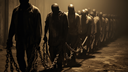
No. Anarcho-capitalism is the ecosystem that offers the highest level of freedom on earth. Every individual would be incomparably freer than in a democracy or an oligarchy. According to some, a person should have the right to sell themselves into slavery; however, this is not meant as a solution for people to resort to because they are poor or need to meet their needs, but rather because they have full authority over their own bodies. In other words, if there are people who want to become slaves for extreme profits, even though they do not need to and are not forced, this is permitted.
Hayır. Anarko-Kapitalizm, yeryüzünde en yüksek özgürlüğü sunan ekosistemdir. Her birey, demokrasi veya oligarşiyle kıyaslanamayacak kadar özgür olur. Bazılarına göre insanın kendini köle olarak satma hakkı olmalı; fakat bu, insanların fakir oldukları için ihtiyaçlarını karşılamak adına başvuracağı bir çözüm olsun diye değil, kendi vücutları üzerinde tam yetki sahibi oldukları içindir. Yani, buna ihtiyaçları olmadığı ve zorlanmadıkları halde, ekstrem kazançlar için köle olmayı isteyenler varsa, buna izin verilir.

Wouldn’t there be constant armed conflicts?
Sürekli silahlı çatışmalar olmaz mı?
No. In a society where everyone is armed to the teeth, armed conflict is not profitable; on the contrary, it causes harm. Companies and individuals know that maintaining peace is in their own interest. Disputes are usually resolved through contracts and private arbitrators rather than violence.
Hayır. Tüm bireylerin tepeden tırnağa silahlı olduğu bir toplumda, silahlı çatışma çıkması kârlı değildir; aksine, zarar getirir. Şirketler ve bireyler, barışı korumanın kendi çıkarlarına olduğunun farkındadır. Anlaşmazlıkları çözmek için genellikle silah yerine sözleşmeler ve özel hakemler kullanılır.

Is this ecosystem feasible?
Bu ekosistemin uygulanabilirliği var mı?
Yes! Humanity has sought freedom since the dawn of history. Anarcho-capitalism is the pinnacle of this quest; a unique world born from voluntary cooperation, without oppression, taxes, or the chains of the state, is possible. This is the greatest dream of brave and free spirits—and the destiny of humankind!
Evet! İnsanlık, tarihin başından beri özgürlüğü aradı. Anarko-Kapitalizm, bu arayışın zirvesidir; hiçbir baskı, vergi ya da devlet zinciri olmadan, insanların gönüllü birlikteliğiyle doğan eşsiz bir dünya mümkün. Bu, cesur ve özgür ruhların en büyük hayali ve insanlığın kaderidir!

Can I establish my own court?
Kendi mahkememi kurabilir miyim?
Yes, you can establish your own court. As long as people find your court fair and trustworthy, it can operate. In a competitive environment, courts that provide the best service are preferred; the only requirement is to deliver justice based on consent and contract.
Evet, kendi mahkemenizi kurabilirsiniz. Yeter ki insanlar sizin mahkemenizi adil ve güvenilir bulsun. Rekabet ortamında, en iyi hizmeti sunan mahkemeler tercih edilir; tek şart, rızaya ve sözleşmeye dayalı adalet sağlamaktır.
McNukes: Can I buy a nuclear bomb?
McNukes: Nükleer bomba satın alabilir miyim?
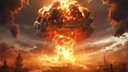
Technically, yes, you can buy one. But that doesn’t mean someone who is only rich enough to have $30 million can just buy a $30 million bomb! In practice, you would have to find a guarantor willing to provide a trillion-dollar guarantee that you won’t use the bomb to unjustly destroy a city, and you must convince the free market that you don’t want the bomb for malicious purposes. Otherwise, you would be treated as an enemy.
Teknik olarak, evet, satın alabilirsiniz. Ama bu, sadece 30 milyon doları olan birisinin 30 milyon dolarlık bir bombayı satın alabileceği anlamına gelmez! Pratikte, o bombayı kullanarak haksız yere bir şehri yok etmeyeceğinize dair Trilyon dolarlık bir garanti verecek bir garantör bulmalı ve serbest piyasayı bombayı kötücül bir nedenle istemediğinize ikna etmelisiniz. Aksi takdirde, düşman muamelesi görürsünüz.

Is access to basic needs guaranteed for people?
İnsanların temel ihtiyaçlara ulaşması garanti edilir mi?
No, no one is obligated to provide “free” services to anyone; however, it is highly unlikely that poor people will be unable to meet their basic needs. The more capitalist a country is, the lower the proportion of income that even the poorest must allocate to cover their basic needs.
Hayır, kimse kimseye "bedava" hizmet sağlamak zorunda değildir; ama fakir insanların temel ihtiyaçlarını karşılayamaması hiç olası değildir. Bir ülke ne kadar kapitalist olursa, en fakir insanlar dahil herkesin ihtiyaçlarını karşılamak için ayırmak zorunda olduğu miktarın gelirlerine oranı düşer.

What happens if I make loud noise on my own property?
Kendi mülkümde yüksek ses çıkarırsam ne olur?
If your noise reaches your neighbors’ property and disturbs them, they can sue you and demand some form of penalty. The limit is not to harm the rights and peace of others. You can’t pass a law declaring yourself innocent if you break your neighbor’s window by throwing a stone from your garden.
Sesiniz başkalarının mülküne giriyor ve onları rahatsız ediyorsa, komşularınız size dava açabilir ve bir çeşit ceza talep edebilir. Sınır, başkasının hak ve huzuruna zarar vermemektir. Evinizin bahçesinden atacağınız bir taşla komşunuzun camını kırarsanız, kendinizi suçsuz ilan eden bir yasa çıkaramazsınız.

Why is it legal to be an Anarcho-Capitalist?
Anarko-Kapitalist olmak neden yasal?
In many countries, existing laws guarantee freedom of thought and expression. As long as you do not resort to violence, you can advocate any ideology you wish. Anarcho-capitalists generally aim to abolish the state legally by gradually privatizing it and reducing its size through referendums.
Birçok ülkede mevcut yasalar, düşünce ve ifade özgürlüğünü güvence altına alır. Şiddete başvurmadığınız sürece istediğiniz ideolojiyi savunabilirsiniz. Anarko-Kapitalistler genellikle devleti, kademe kademe özelleştirerek ve referandumlarla küçülterek yasal yoldan ortadan kaldırmayı hedeflerler.
New questions and answers will be added.
Yeni sorular ve cevaplar eklenecek.
If there's a question you'd like to see added, send an email ([email protected]) or message AncapFuture on Reddit.
Eklenmesini istediğiniz bir soru varsa mail gönderin ([email protected]) veya reddit üzerinden AncapFuture'a mesaj gönderin.
34 Ultra Short Answers to F. A. Q.
34 S.S.S.'ya Ultra Kısa Cevaplar
Why is it legal to be an Anarcho-Capitalist?
Anarko-Kapitalist olmak neden yasal?
In many countries, existing laws guarantee freedom of thought and expression. As long as you do not resort to violence, you can advocate any ideology you wish. Anarcho-capitalists generally aim to abolish the state legally by gradually privatizing it and reducing its size through referendums.
Birçok ülkede mevcut yasalar, düşünce ve ifade özgürlüğünü güvence altına alır. Şiddete başvurmadığınız sürece istediğiniz ideolojiyi savunabilirsiniz. Anarko-Kapitalistler genellikle devleti, kademe kademe özelleştirerek ve referandumlarla küçülterek yasal yoldan ortadan kaldırmayı hedeflerler.
What happens if I make loud noise on my own property?
Kendi mülkümde yüksek ses çıkarırsam ne olur?
If your noise reaches your neighbors’ property and disturbs them, they can sue you and demand some form of penalty. The limit is not to harm the rights and peace of others. You can’t pass a law declaring yourself innocent if you break your neighbor’s window by throwing a stone from your garden.
Sesiniz başkalarının mülküne giriyor ve onları rahatsız ediyorsa, komşularınız size dava açabilir ve bir çeşit ceza talep edebilir. Sınır, başkasının hak ve huzuruna zarar vermemektir. Evinizin bahçesinden atacağınız bir taşla komşunuzun camını kırarsanız, kendinizi suçsuz ilan eden bir yasa çıkaramazsınız.
Is access to basic needs guaranteed for people?
İnsanların temel ihtiyaçlara ulaşması garanti edilir mi?
No, no one is obligated to provide “free” services to anyone; however, it is highly unlikely that poor people will be unable to meet their basic needs. The more capitalist a country is, the lower the proportion of income that even the poorest must allocate to cover their basic needs.
Hayır, kimse kimseye "bedava" hizmet sağlamak zorunda değildir; ama fakir insanların temel ihtiyaçlarını karşılayamaması hiç olası değildir. Bir ülke ne kadar kapitalist olursa, en fakir insanlar dahil herkesin ihtiyaçlarını karşılamak için ayırmak zorunda olduğu miktarın gelirlerine oranı düşer.
McNukes: Can I buy a nuclear bomb?
McNukes: Nükleer bomba satın alabilir miyim?
Technically, yes, you can buy one. But that doesn’t mean someone who is only rich enough to have $30 million can just buy a $30 million bomb! In practice, you would have to find a guarantor willing to provide a trillion-dollar guarantee that you won’t use the bomb to unjustly destroy a city, and you must convince the free market that you don’t want the bomb for malicious purposes. Otherwise, you would be treated as an enemy.
Teknik olarak, evet, satın alabilirsiniz. Ama bu, sadece 30 milyon doları olan birisinin 30 milyon dolarlık bir bombayı satın alabileceği anlamına gelmez! Pratikte, o bombayı kullanarak haksız yere bir şehri yok etmeyeceğinize dair Trilyon dolarlık bir garanti verecek bir garantör bulmalı ve serbest piyasayı bombayı kötücül bir nedenle istemediğinize ikna etmelisiniz. Aksi takdirde, düşman muamelesi görürsünüz.
Can I establish my own court?
Kendi mahkememi kurabilir miyim?
Yes, you can establish your own court. As long as people find your court fair and trustworthy, it can operate. In a competitive environment, courts that provide the best service are preferred; the only requirement is to deliver justice based on consent and contract.
Evet, kendi mahkemenizi kurabilirsiniz. Yeter ki insanlar sizin mahkemenizi adil ve güvenilir bulsun. Rekabet ortamında, en iyi hizmeti sunan mahkemeler tercih edilir; tek şart, rızaya ve sözleşmeye dayalı adalet sağlamaktır.
Is this ecosystem feasible?
Bu ekosistemin uygulanabilirliği var mı?
Yes! Humanity has sought freedom since the dawn of history. Anarcho-capitalism is the pinnacle of this quest; a unique world born from voluntary cooperation, without oppression, taxes, or the chains of the state, is possible. This is the greatest dream of brave and free spirits—and the destiny of humankind!
Evet! İnsanlık, tarihin başından beri özgürlüğü aradı. Anarko-Kapitalizm, bu arayışın zirvesidir; hiçbir baskı, vergi ya da devlet zinciri olmadan, insanların gönüllü birlikteliğiyle doğan eşsiz bir dünya mümkün. Bu, cesur ve özgür ruhların en büyük hayali ve insanlığın kaderidir!
Wouldn’t there be constant armed conflicts?
Sürekli silahlı çatışmalar olmaz mı?
No. In a society where everyone is armed to the teeth, armed conflict is not profitable; on the contrary, it causes harm. Companies and individuals know that maintaining peace is in their own interest. Disputes are usually resolved through contracts and private arbitrators rather than violence.
Hayır. Tüm bireylerin tepeden tırnağa silahlı olduğu bir toplumda, silahlı çatışma çıkması kârlı değildir; aksine, zarar getirir. Şirketler ve bireyler, barışı korumanın kendi çıkarlarına olduğunun farkındadır. Anlaşmazlıkları çözmek için genellikle silah yerine sözleşmeler ve özel hakemler kullanılır.
Wouldn’t slavery come back?
Kölelik geri gelmez mi?
No. Anarcho-capitalism is the ecosystem that offers the highest level of freedom on earth. Every individual would be incomparably freer than in a democracy or an oligarchy. According to some, a person should have the right to sell themselves into slavery; however, this is not meant as a solution for people to resort to because they are poor or need to meet their needs, but rather because they have full authority over their own bodies. In other words, if there are people who want to become slaves for extreme profits, even though they do not need to and are not forced, this is permitted.
Hayır. Anarko-Kapitalizm, yeryüzünde en yüksek özgürlüğü sunan ekosistemdir. Her birey, demokrasi veya oligarşiyle kıyaslanamayacak kadar özgür olur. Bazılarına göre insanın kendini köle olarak satma hakkı olmalı; fakat bu, insanların fakir oldukları için ihtiyaçlarını karşılamak adına başvuracağı bir çözüm olsun diye değil, kendi vücutları üzerinde tam yetki sahibi oldukları içindir. Yani, buna ihtiyaçları olmadığı ve zorlanmadıkları halde, ekstrem kazançlar için köle olmayı isteyenler varsa, buna izin verilir.
Who protects nature, animals, and the environment?
Doğa, hayvanlar ve çevre kim tarafından korunur?
People pay those who protect nature to ensure its preservation. For this reason, all public lands are private property, since owning such land is a source of profit. Those who harm nature must compensate those who are harmed because of environmental damage.
İnsanlar, doğa korunsun diye onu koruyanlara ödeme yaparlar. Bu sebeple, tüm kamusal araziler özel mülktür; çünkü bu arazileri sahiplenmek kazanç kapısıdır. Doğaya zarar verenler ise, doğa sebebiyle zarar görenlere tazminat ödemek zorunda kalır.
Will drugs, prostitution, or gambling be legal?
Uyuşturucu, fuhuş veya kumar serbest mi olacak?
Each property owner decides, through their own contracts, what behaviors are permitted on their property. So, these activities are entirely subject to the rules of private ownership. If you want to prevent them, you can organize boycotts or offer attractive alternatives; but banning victimless crimes like these through force is nearly impossible.
Her mülk sahibi, kendi mülkünde hangi davranışlara izin verileceğine, yaptığı sözleşmelerle kendisi karar verir. Yani, bu tür aktiviteler tamamen özel mülkiyetin kurallarına bağlıdır. Eğer bunların engellenmesini istiyorsanız, boykot uygulayabilir veya cazip teklifler sunabilirsiniz; ama bunlar gibi kurbansız suçları zor kullanarak yasaklamak neredeyse imkânsızdır.
What is the role of insurance companies in this ecosystem?
Sigorta şirketleri bu ekosistemde ne işe yarar?
They make money by guaranteeing that you won’t be killed, assaulted, defrauded, and much more. Insurance companies manage risks, act as guarantors of contracts, and serve as intermediaries between you and security providers. Sometimes, they select arbitrators in disputes, increasing justice and trust. In this way, they maintain market stability, strengthen voluntary cooperation, and ensure order in society.
Öldürülmeyeceğinizi, darp edilmeyeceğinizi, dolandırılmayacağınızı ve daha birçok şeyi garanti ederek para kazanırlar. Sigorta şirketleri riskleri yönetir, sözleşmelerin garantörü olur ve güvenliği sağlayan şirketlerle sizin aranızdaki aracı olurlar. Bazen anlaşmazlıklarda hakem seçer, adaleti ve güveni artırırlar. Böylece piyasa istikrarını korur, gönüllü işbirliklerini güçlendirir ve toplumda düzeni sağlarlar.
What happens if I don’t comply with contracts?
Sözleşmelere uymazsam ne olur?
If you fail to fulfill a contract you have accepted, the guarantor company for that contract may penalize you according to the withdrawal penalty specified in the agreement. This penalty is usually just a fine, imprisonment, or exile; however, in some regions, for contracts of an extremely serious nature (for example, a contract guaranteeing that a nuclear reactor will not explode), even the death penalty may be enforced if the terms are not fulfilled.
Kabul ettiğiniz bir sözleşmeye uymazsanız, o sözleşmeye garantör olan şirket sizi, sözleşmede belirlenmiş cayma cezası ile cezalandırabilir. Bu ceza genellikle sadece para, hapis veya sürgün cezasıdır; ancak bazı bölgelerde, çok ciddi nitelik taşıyan sözleşmelerde (örneğin, nükleer reaktörün patlamayacağını garanti eden bir sözleşme gibi), sözleşme şartları yerine getirilmediğinde idam cezası uygulanması bile mümkündür.
What is the difference from the state?
Devletten farkı nedir?
In an anarcho-capitalist system, all services are removed from state monopoly and opened to competition; there are no taxes, and laws are not centralized but individual. The state relies on force, whereas in the ancap system, relationships are based on voluntary agreements. While command and coercion are essential in the state, consent and freedom are fundamental in Ancapistan.
Anarko-Kapitalist düzende tüm hizmetler devlet tekelinden çıkartılıp rekabete açılır; vergi yoktur, yasalar merkezi değil, bireyseldir. Devlet zor kullanır, Ankap sistemdeyse ilişkiler gönüllü anlaşmalara dayanır. Devlette emir ve baskı, Ankapistan’da rıza ve özgürlük esastır.
Why should we switch to a private education system?
Neden özel eğitim sistemine geçmeliyiz?
Instead of classes imposed by a single central authority, courses that families are free to choose, investors are free to fund, and schools are free to offer yield much better results. Even allowing schools to take a share of their students’ future earnings dramatically increases the quality of education. Different educational models and innovative approaches can be shaped according to students’ interests and abilities. Thus, this new education system provides the greatest benefit to both individuals and society.
Tek bir merkezi otorite tarafından dayatılan dersler yerine, ailelerin seçmekte, yatırımcıların fonlamakta ve okulların sunmakta özgür olduğu dersler daha iyi sonuçlar doğurur. Okulların, öğrencilerin gelecekte kazanacağı paradan pay almaya başlaması bile eğitimin kalitesini inanılmaz ölçüde artırır. Farklı eğitim modelleri ve yenilikçi yaklaşımlar, öğrencilerin ilgi ve yeteneklerine göre şekillenir. Böylece bu yeni eğitim sistemi, hem bireye hem de topluma en yüksek faydayı sağlar.
How will we protect ourselves from external enemies?
Dış düşmanlardan nasıl korunacağız?
Unlike other forms of anarchism, Anarcho-Capitalism features companies that provide organized military services. These companies may compete with, or even fight against, each other over internal matters in Ancapistan, but they will generally form alliances against external enemies, since they share far less in common with outsiders.
Diğer anarşilerin aksine, Anarko-Kapitalizmde organize askeri hizmet sunan şirketler vardır. Bu şirketler, Ankapistan içi meselelerde birbirlerine rakip olsalar, hatta savaşmış olsalar bile, dış düşmanlara karşı genellikle ittifak halinde olurlar; çünkü dış düşmanlarla ortak yönleri çok daha azdır.
Will borders be open?
Sınırlar açık mı olacak?
Ancapistan has no national borders; there are only the boundaries of private properties. (Even the streets are private property—everywhere is!) Everyone decides for themselves whom to allow onto their property. Entry and exit are determined entirely by the agreements made by property owners—there is no collective or centralized border policy.
Ankapistan'ın sınırları yoktur, sadece özel mülklerin sınırları vardır. (Sokaklar da dâhil, her yer özel mülktür!) Herkes kendi mülküne kimi alıp almayacağına kendisi karar verir. Giriş ve çıkış, tamamen mülk sahiplerinin yaptığı anlaşmalarla belirlenir; toplu, merkezi bir sınır politikası olmaz.
Wouldn't the poor be negatively affected?
Yoksullar kötü etkilenmez mi?
No, on the contrary, the free market provides the greatest benefit to the poor. Competition lowers prices and increases quality; it allows the poor, just like everyone else, to easily access better and cheaper services. Mandatory taxes and state monopolies, on the other hand, harm the poor the most. It’s no surprise that poor people can also be Anarcho-Capitalists.
Hayır, aksine serbest piyasa yoksullara en fazla faydayı sağlar. Rekabet, fiyatları düşürür ve kaliteyi artırır; yoksulların da diğer herkes gibi daha iyi ve ucuz hizmetlere kolayca ulaşmasını sağlar. Zorunlu vergiler ve devlet tekelleri ise yoksullara en büyük zararı verir. Fakir insanların da Anarko-Kapitalist olmasına şaşmamak gerek.
How is monopolization prevented?
Tekelleşme nasıl önlenir?
In a free market, there is no such thing as an exploitative monopoly. If a monopoly emerges, competitors seeking to share in its profits will enter the market in a short time. Monopolization is only possible with state protection and privileges. Without the state, a monopoly cannot be exploitative. Non-exploitative monopolies, on the other hand, are harmless.
Serbest piyasada sömürücü tekel diye bir şey yoktur. Bir tekel ortaya çıktığında, kısa bir süre içinde o tekelin kârına ortak olmak isteyen rakipler piyasaya giriş yapacaktır. Tekelleşme, devlet koruması ve ayrıcalıklarıyla mümkün olur. Devlet olmadığında, bir tekel sömürücü olamaz. Sömürücü olmayan tekeller ise zararsızdır.
Doesn't the American healthcare system provide evidence against us?
Amerikan sağlık sistemi aleyhimize kanıtlar sunmuyor mu?
No, the American healthcare system is not a free market; government licenses, patents, and regulations distort the market. This system is a state-supported monopoly of hospitals and insurance companies and cannot exist without government intervention. Truly private hospitals in America are significantly more affordable than their competitors.
Hayır, Amerikan sağlık sistemi bir serbest piyasa değildir; devletin lisans, patent ve düzenlemeleri piyasayı bozar. Bu sistem, bir devlet destekli hastane ve sigorta şirketleri tekelidir ve devlet olmadan var olamaz. Amerika’daki gerçekten özel hastaneler, rakiplerinden katbekat uygun fiyatlıdır.
Don’t companies make things more expensive than the state?
Şirketler devletten daha pahalıya mal etmez mi?
No, quite the opposite. Services currently provided under state monopoly are delivered to the public in the most expensive and lowest-quality way possible. In contrast, the free market drives companies to compete by offering the highest-quality services at the most affordable prices.
Hayır, tam tersi. Şu anda devlet tekelinde sunulan hizmetler, mümkün olan en pahalı ve en kalitesiz biçimde halka ulaştırılmaktadır. Oysa serbest piyasa, rekabet sayesinde şirketleri en kaliteli hizmeti en uygun fiyata sunmak için yarıştırır. İnsanlar da bu rekabetin meyvelerinden faydalanır.
If there are no taxes, how will public services be funded?
Vergi yoksa, kamu hizmetleri nasıl finanse edilecek?
The financing of services is done through consent, not coercion. Everyone pays in proportion to what they use or benefit from financially; those who don’t benefit don’t pay. People choose the companies that offer the best quality at the best price according to their own budgets. Even without taxation, society can easily meet its needs
Hizmetlerin finansmanı, zorbalıkla değil; rızayla olur. Herkes, kullandığı veya finanse etmekten çıkar sağladığı kadar öder; faydalanmayan ödemez. İnsanlar, kendi bütçelerine göre en kaliteli hizmeti en uygun fiyata veren şirketleri tercih ederler. Vergi olmadan da toplum, ihtiyaçlarını rahatlıkla karşılayabilir.
Why is taxation theft? (Long)
Vergilendirme neden hırsızlıktır? (Uzun)
The first objection that springs to mind is that, because the state provides services in return for taxes, taxation cannot be theft. This is mistaken, for if a private company were to seize your money by force and then deliver a service that failed to satisfy you, you would clearly call it theft—and the same holds for the state.
When taxation disappears, the free market uses that money more efficiently, so the general prosperity rises. Yet even if prosperity did not rise, it would still be impossible to brand the payment of coercive taxes—as opposed to voluntary donations—as a moral duty. Even toward people we pity and believe deserve assistance, the only moral obligation is to give as much as our conscience tells us we can spare from our own budget. You may boycott and thereby isolate from society those who lack conscience and make no donations, but taking their money by force is still theft. We are under no moral obligation to hand over any portion—let alone a large portion—of the income we have earned honorably to people we do not know, have no connection with, and who possess no pitiable trait.
Finally, there is the objection that your pre-tax income does not belong to you—that for any income to be yours, lawmakers must first permit it. According to this view, the state is taxing money that was never really yours, so taxation cannot be theft. Of course, this is sheer nonsense. The amount you receive in exchange for goods and services you sell through mutual, voluntary agreement with your customers is the amount you rightfully earn. That amount is determined in the free market.
İlk akla gelen itiraz, devlet vergi karşılığında hizmet sunduğu için bunun hırsızlık olmadığı yönündedir; ancak bu yanlıştır, zira bir şirket paranıza zorla el koyup sizi tatmin etmeyen bir hizmet sunarsa, bunun hırsızlık olduğu açıktır ve aynı şey devlet için de geçerlidir.
Vergilendirme ortadan kalktığında, serbest piyasa sayesinde bu para daha iyi kullanılacağı için halkın refahı artar. Ancak artmasaydı bile, başkalarının refah içinde yaşaması için gönüllü bağışları değil, zorlamaya dayalı vergileri ödemeyi ahlaki bir zorunluluk olarak etiketlemek mümkün değildir. Acıdığımız ve bağış almayı hak ettiğini düşündüğümüz insanlara bile, sadece bütçemizden ayırmayı vicdanen zorunlu bulduğumuz kadar para vermek ahlaki bir zorunluluk olabilir. Vicdanı olmayan ve hiçbir bağış yapmayan insanları boykot edebilir, böylece toplumdan izole edebilirsiniz; ama onların bile paralarına zorla el koymak hırsızlıktır. Hiçbir zorlama olmaksızın, şerefimizle kazandığımız paranın bir kısmını, hatta büyük bir kısmını, tanımadığımız ve hiçbir alakamız olmayan, acınacak bir özelliği de bulunmayan insanlara vermek zorunda ahlaken değiliz.
Son olarak, vergi öncesi gelirinizin size ait olmadığı; herhangi bir gelirin size ait olabilmesi için kanun yapıcının buna izin vermesi gerektiği itirazı var. Bu düşünceye göre, henüz sizin olmayan bir paradan vergi alıyor devlet; dolayısıyla bu, bir hırsızlık değil. Elbette, bu büyük bir zırvalık. Müşterinizle karşılıklı olarak, gönüllüce anlaşarak sattığınız ürün ve hizmet karşılığında size ödenen miktar, sizin hak ettiğiniz miktardır. Bu miktar, serbest piyasada belirlenir.
What happens if I'm not willing to make any contract?
Hiçbir sözleşme yapmaya gönüllü olmazsam ne olur?
If you refuse to make any agreements, you won’t be able to leave your property. Since all developed areas—including streets—are privately owned, access requires contracts. Without them, no one will trade with you. You'll live in complete isolation, cut off from society by your own choice. However, this does not mean that you have to accept a social contract in order to live. It is enough to make agreements with a minority group of people who think like you. You don't need to make a deal with an entire country.
Böyle bir durumda kendi mülkünden dışarı adım atamazsın. Sokaklar dahil, kullanılan her yer özel mülk olduğu için sözleşmeler yapmalısın. Aksi halde kimse sana bir şey satmayacak ve senden satın almayacaktır. Dolayısıyla toplumdan izole edilmiş halde yalnız bir yaşama mahkum kalırsın. Ancak bu, yaşamak için bir toplum sözleşmesini kabul etmek zorunda olduğun anlamına gelmez. Senin gibi düşünen azınlık bir grupla anlaşmalar yapman yeterlidir. Tüm bir ülkeyle anlaşma yapmana gerek yok.
Wouldn’t there be chaos without a state?
Devlet olmayınca kaos çıkmaz mı?
Anarchy is not chaos; it is the voluntary order that emerges in the absence of coercion. The free market naturally forms a functioning order through individual demand. Protocols between justice companies enable cooperation without leading to the emergence of a central authority.
Anarşi kaos değildir; zorbalığın yokluğunda doğan gönüllü düzendir. Serbest piyasa, bireylerin talepleriyle doğal olarak işleyen bir düzen oluşturur. Adalet şirketleri arası protokoller, merkezi bir otorite oluşmasına yol açmadan işbirliğini sağlar.
Wouldn't there be legal uncertainty?
Hukuki belirsizlik olmaz mı?
No. People decide in advance, through voluntary contracts, which courts will handle any disputes that may arise and which rules will apply. They also commit to abiding by the rulings. Companies likewise guarantee compliance with these commitments. Even in controversial matters where one group is not voluntary—such as abortion—it is usually clear from the beginning whether you would be punished in a given property and what the penalty would be.
Hayır. İnsanlar kendileriyle ilgili olarak doğabilecek uyuşmazlıklar için hangi mahkemeye başvuracaklarını ve hangi kuralların geçerli olacağını önceden yaptıkları gönüllü sözleşmelerle belirler ve kararlara uymayı taahhüt eder. Şirketler de bu taahhütlere uyacaklarını garanti eder. Hatta bir tarafın gönüllü olmadığı kürtaj gibi tartışmalı konularda bile, bir mülkte ceza alıp almayacağınız ve ne kadar ceza alacağınız baştan bellidir.
What happens if 90% of the people try to force a law onto 10%?
Halkın %90'ı %10'a bir yasayı dayatmak isterse ne olur?
Sometimes they may get what they want. However, this does not mean that the majority or the stronger group rules over others. The 10% can reject the imposed law, choose to endure economic embargoes and the threat of war, and shape their lives according to their own will.
Bazen istediklerini elde ederler. Ancak bu, çoğunluğun ya da güçlünün hükmetmesi anlamına gelmez. Çünkü %10, dayatılan yasayı reddederek ekonomik ambargoya ve savaş tehdidine göğüs germeye karar verebilir ve hayatlarını kendi istedikleri şekilde şekillendirebilir.
Is everyone required to recognize the rulings of private courts?
Özel mahkeme kararlarını herkes tanımak zorunda mı?
No. Even when individuals take their disputes to reputable courts, the market enforces the rulings only through voluntary actors. Those who comply with the rulings and those who don't may impose reciprocal sanctions on each other. This voluntary structure leads to better outcomes.
Hayır. Bireyler anlaşmazlıklarını itibarlı, bağımsız mahkemelere taşıdığında bile, piyasa sadece gönüllü aktörleriyle bu mahkemelerin hükümlerine uyar; uymayanlarla uyanlar birbirlerine karşılıklı yaptırımlar uygulayabilirler. Bu gönüllülüğe dayalı yapı, daha iyi sonuçlar doğurur.
Isn’t a private justice system vulnerable to corruption?
Özel adalet sistemi yolsuzluğa açık değil mi?
No. If a company starts pardoning criminals for money, its reputation will quickly collapse; no one will take its rulings seriously, recognize them. Insurance companies and clients will terminate their contracts, the company will lose its enforcement power, and ultimately go bankrupt.
Hayır. Bir şirket suçluları parayla affetmeye başlarsa itibarı hızla sarsılır; kararlarını kimse ciddiye almaz, tanımaz. Sigorta şirketleri ve müşteriler sözleşmelerini fesheder, şirket yaptırım gücünü kaybeder ve sonunda iflas eder.
How will the rich be prevented from taking control by using force?
Zenginlerin kontrolü zor kullanarak devralması nasıl engellenecek?
The system in which it is hardest for someone to rule over others by force through wealth/power is precisely this one. That’s because everyone can be fully armed and is free to choose and fund the army and police company that will serve them. Weapons are not monopolized by a privileged elite.
Birinin, servetiyle veya gücüyle başkalarına zorla hükmetmesinin en zor olduğu düzen tam olarak bu düzendir. Çünkü herkes, tepeden tırnağa silahlanabildiği gibi; kendisine hizmet verecek ordu ve polis şirketini de bizzat seçip finanse edebilir. Yani silahlar, ayrıcalıklı bir elitin tekelinde değildir.
Do Ancaps want the rich to rule?
Ankaplar zenginlerin hükmetmesini mi istiyor?
No. This misunderstanding stems from confusing Anarcho-Capitalism with Corporatocracy or Plutocracy. Ancaps advocate for a system where even an ordinary tenant can determine the laws that apply to the property they occupy through voluntary contracts that secure all their rights.
Hayır. Bu yanlış anlaşılmanın kaynağı, Anarko-Kapitalizmin Şirketokrasi veya Plütokrasiyle karıştırılmasıdır. Ankaplar, sıradan bir kiracının bile sözleşme yoluyla tüm haklarını elde ettiği mülkte geçerli olacak yasaları kendisinin belirleyebildiği bir düzeni savunurlar.
How would it change the life of an average person?
Ortalama bir insanın hayatını ne şekilde değiştirecektir?
We reclaim from the state the power to govern ourselves. Our control over our lives is maximized. Life becomes a reflection not of collective decisions, but largely of individual choices. As long as we make smart decisions, our freedom and prosperity will rapidly increase.
Devletten, kendimizi yönetme gücünü devralır. Hayatımız üzerindeki kontrolümüzü maksimize eder. Hayatımız, toplu olarak alınan kararların değil, büyük ölçüde bireysel tercihlerimizin yansıması olur. Akıllı tercihler yaptığımız sürece, özgürlüğümüz ve refahımız hızla artar.
What are the benefits of Anarcho-Capitalism?
Anarko-Kapitalizmin getirileri nelerdir?
Even if 51% of the people in your country are foolish, it still allows you to live a good life; because the remaining 49% functions like a separate country. An exponential increase in prosperity, along with a dramatic acceleration of scientific and technological breakthroughs over time, is expected
Ülkenizdeki insanların %51’i aptal olsa bile, iyi bir hayat sürmenizi sağlar; çünkü %49 ayrı bir ülke gibidir, diğerlerinin kararlarından asgari düzeyde etkilenir. Bununla birlikte, refahın zamanla üstel derecede artması, bilimsel ve teknolojik atılımların dramatik bir hız kazanması da öngörülen şeylerdir.
What do Ancaps advocate?
Ankaplar neleri savunur?
The state, regardless of who governs it, keeps public prosperity far below the level a free market could provide. Democracy is the dictatorship of the majority. Property rights are sacred, the right to bear arms is essential, and taxation is theft. All interactions between individuals must be voluntary
Devlet, kim yönetirse yönetsin, halkın refahını serbest piyasanın sağlayabileceği düzeyin çok altında tutar. Demokrasi çoğunluğun diktasıdır. Mülkiyet hakları kutsaldır, silahlanma gereklidir ve vergilendirme hırsızlıktır. İnsanlar arasındaki tüm etkileşimler gönüllü olmalıdır.
What is Anarcho-Capitalism?
Anarko-Kapitalizm nedir?
Anarcho-Capitalism is an ecosystem in which property owners and tenants can, almost entirely by themselves, determine the laws that apply on their own properties; where there is no taxation or state; where all public services —including justice— are provided by private companies.
Anarko-Kapitalizm, mülk sahiplerinin ve kiracıların, kendi mülklerinde geçerli olacak yasaları neredeyse tamamen kendi başlarına belirleyebildiği; vergi veya devletin bulunmadığı; adalet ve savunma dâhil tüm kamusal hizmetlerin özel şirketler tarafından sağlandığı, eşsiz bir ekosistemdir.
New questions and answers will be added.
Yeni sorular ve cevaplar eklenecek.
If there's a question you'd like to see added, send an email ([email protected]) or message AncapFuture on Reddit.
Eklenmesini istediğiniz bir soru varsa mail gönderin ([email protected]) veya reddit üzerinden AncapFuture'a mesaj gönderin.
Oldest
Newest
En Eski
En Yeni
what-is-anarcho-capitalism

What Is Anarcho-Capitalism?Anarko-Kapitalizm Nedir?
Martin IRONHEART Anarcho-Capitalists believe that all services, such as the police, court, army and road construction, can be provided better and cheaper by private companies than by the state. Moreover, Ancaps are against democracy, monarchy and oligarchy.Anarko-Kapitalistler, polis, mahkeme, ordu ve yol yapımı gibi tüm hizmetlerin özel şirketler tarafından devletten daha iyi ve daha ucuz şekilde sağlanabileceğine inanır. Üstelik Ankaplar demokrasiye de monarşiye de oligarşiye de karşıdır.17 Articles In TotalToplamda 17 Makale
privatize-everything

Privatize EverythingHer Şeyi Özelleştirin
Martin IRONHEART The police, court, army, health and education services, and everything else should be privatized. All services can be provided better and cheaper by private companies than by the state.Polis, mahkeme, ordu, sağlık ve eğitim hizmetlerinin tamamı ve diğer her şey özelleştirilmelidir. Tüm hizmetler özel şirketler tarafından devletten daha iyi ve daha ucuz şekilde sağlanabilir.taxation-is-theft
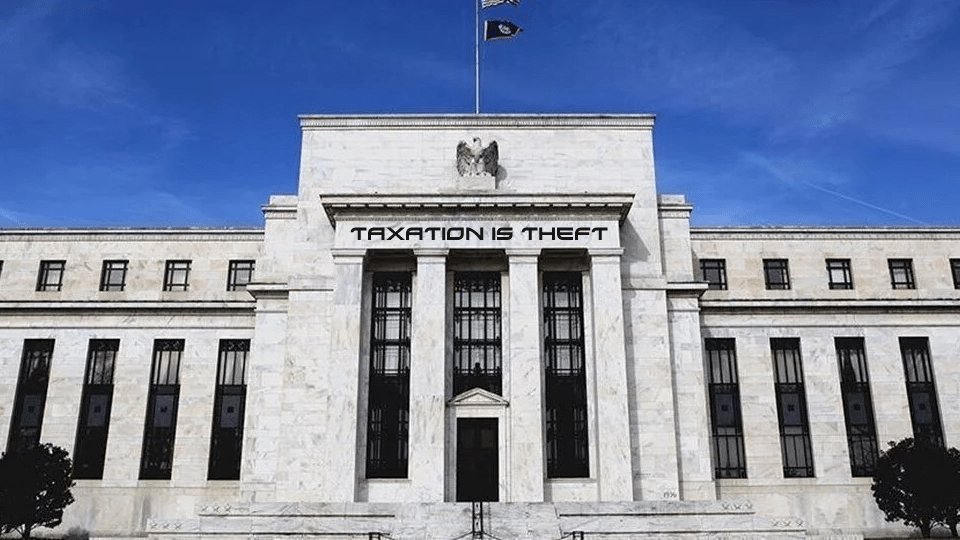
Taxation Is TheftVergilendirme Hırsızlıktır
Martin IRONHEART We don't have to pay for other people to live in welfare. It is not a right for poor people to receive free services. We can live without state and taxes. The tax cannot be defended on any legitimate basis. Taxation is legal theft.Diğer insanların refah içinde yaşaması için para ödemek zorunda değiliz. Fakir insanların bedava hizmetler alması bir hak değildir. Devlet ve vergiler olmadan da yaşayabiliriz. Vergi hiçbir meşru temelde savunulamaz. Vergi, yasal hırsızlık'tır.civilian-weapon-ownership
